Down payment assistance, without the confusion.
Saving for a down payment is one of the biggest things that keeps people renting. Assistance programs can help close the gap. Here is how the main types work, in plain English, so you know what to ask about.
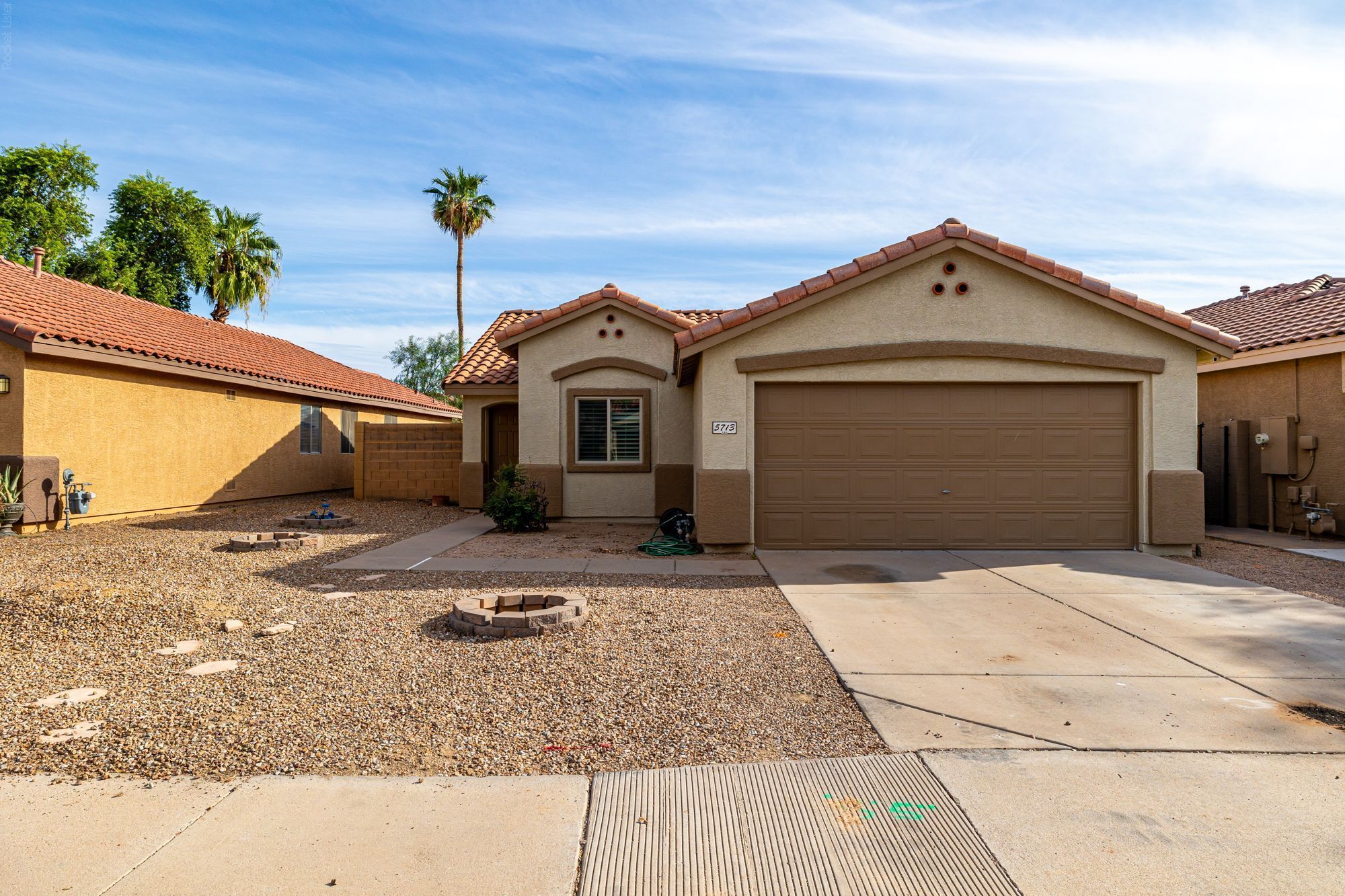
Six common types of assistance
Programs mix and match these features. The right one depends on your income, savings, credit, the home, and how long you plan to stay.
Grants
No repaymentMoney toward your down payment or closing costs that you do not pay back, as long as you meet the program terms. Grants are often the most limited, and some must be reserved early.
Matched savings programs
You save, they matchYou save toward your purchase and the program matches what you put in. Some match as much as 4 dollars for every 1 dollar you save, up to a set limit. These usually require enrolling, and often a homebuyer class, before you go under contract.
Forgivable second loans
Forgiven over timeA second loan that covers part of your down payment or closing costs and is forgiven over a set period, often with no monthly payment. If you sell or refinance before then, part or all of it may need to be repaid.
Deferred second loans
No payment until laterA second loan with no monthly payment that you repay when you sell, refinance, or pay off your first mortgage. It keeps your monthly budget lighter today.
Repayable second loans
A small second paymentA second loan you repay monthly alongside your main mortgage. It adds to your monthly cost, so we look at the full payment before you decide.
Rate-based assistance
Help built into the rateSome programs provide assistance in exchange for a slightly higher interest rate on your main loan. It can make sense, but we compare the long-term cost against other options.
What programs usually look at
Every program has its own rules, and they change. These are the questions we check before you count on any assistance.
- Income limitsMost programs cap household income, and the limit often depends on household size and county.
- Purchase price limitsMany programs set a maximum price for the home.
- Credit guidelinesEach program sets its own minimum credit standards on top of the loan program.
- Homebuyer educationMany programs require a homebuyer course, sometimes before you sign a contract.
- Primary residenceAssistance is usually for a home you will live in, not an investment property.
- First-time buyer rulesSome programs are only for first-time buyers. Many define that as not having owned a home in the past three years.
- Funding windowsSome funds are limited and can run out, so timing matters.
- Approved lendersMany programs only work through participating lenders, so the lender you choose matters.
Assistance changes your loan, your offer, and your timeline.
Some programs add steps or time to closing, and some sellers ask about them. Because I work on both the real estate and mortgage side, I can help you compare options and write offers that account for the program you choose.
"He went above and beyond to make sure I felt informed, empowered, and fully supported through every decision."
Assistance questions
Is down payment assistance only for first-time buyers?
Not always. Some programs are only for first-time buyers, while others are open to repeat buyers who meet income and other limits.
Can I combine assistance with an FHA, VA, or conventional loan?
Often, yes. Many programs work with FHA and conventional loans, and some work with VA loans. It depends on the program and the lender.
Will assistance make my offer weaker?
Not necessarily. A clear pre-approval and a well-written offer go a long way. Some programs add steps, so we plan the timeline before you make an offer.
What happens if I sell or refinance early?
It depends on the type. Grants usually do not need to be repaid when terms are met. Forgivable and deferred second loans may need to be repaid, in part or in full, if you sell or refinance early.
How do I find out what I qualify for?
Start with a short call. We look at your income, savings, credit, and the area you want to buy in, then match you with the programs worth applying for.
Assistance programs, eligibility rules, and funding change often and are not available to every buyer. This page is general information, not an offer of assistance or a commitment to lend. All loans and assistance are subject to program guidelines, credit approval, and underwriting.
Find out which programs fit you.
A 15-minute call to review your options and map out a clear next step.